Red Wine Finca Valdelroble is a great blend from Bodegas Félix Callejo that combines Tempranillo and Syrah varieties. Roble de V. T. Castilla y León wine.
94 Tim Atkin | 93 James Suckling
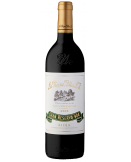
Red Wine Marqués de Cáceres Reserva with D.O. La Rioja. Made with Tempranillo and Garnacha grapes. An elegant Reserva from Bodegas Marqués de Cáceres, with volume and silkiness.
92 Tim Atkin | 91 Suckling
Age: Reserva.
Winery: Bodegas Marqués de Cáceres.
Type of wood and time of passage: 20 months in French oak barrels (1/3 new each year).
Tasting notes for Red Wine Marqués de Cáceres Reserva:

Cherry colour with ruby border, medium-high layer.

Presents aromas of red and black fruits (currants, raspberries, blueberries) wrapped in notes of cocoa, aromatic woods (cedar) and sweet spices (vanilla, nutmeg, cardamom).

It is elegant, pleasant, with the wood completely integrated in the wine, pleasant dairy products that give it volume and silkiness. Round and long, with memories of fine hides and spices in retronasal.
Optimum service temperature: 15° C.
Pairing: Roast meats, Iberian cured meats, stews or grilled meats. Cured and semi-cured cheeses. Tasty fish.

Marqués de Cáceres follows the line of the wines of great typicity inheritance of the bordeleses who came to settle in Rioja in search of good grapes for their wines after the epidemic of the phylloxera that ravaged the French vineyard.However, a century ago (and less) the majority of the Rioja vineyard was white grape. The Forner Family, with a French feeling, now with Cristina Forner at the helm, continues to innovate to stay among the best valued and most recognized by the consumer wineries.
And it happened that in 1939 after the end of the Civil War, the country was an absolute chaos, there were problems to hire grape pickers and some grapes remained in the vineyard until November, developing some of them "noble rot", that is to say, were infected by a fungus called botrytis. With sweet and concentrated grapes of the Viura variety (although it could also be a minority of Malvasía or Garnacha Blanca) they began to make sweet and semi-sweet wines.