

Red Wine Marqués de Vargas R. Privada 2014 from the D.O. La Rioja. A Reserva wine with a wide step and long finish made with Tempranillo and Garnacha grapes. Excellent wine made by Bodega Marqués de Vargas.
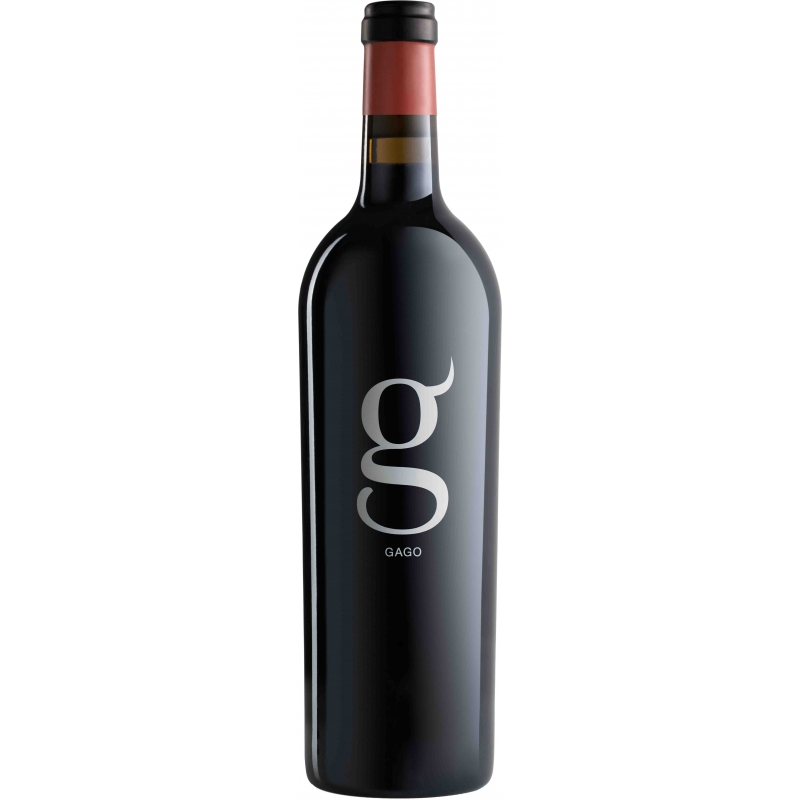
Red Wine Gago comes from reasoned traditional viticulture. A Tinta de Toro varietal in which aromas of black fruit, forest fruits (currants and cherries), balsamic and mineral notes predominate, and a good finish.
92 Parker | 92 Penin
Age: Crianza
Winery: Compañía de vinos Telmo Rodríguez
Tasting note for Red Wine Gago:

Cherry color, garnet tones.

On the nose, very ripe plums, black fruit (currants) toasted, licorice, light lactic notes.

In the mouth, polished, tannins present, an enveloping and fleshy texture, a pleasant and persistent finish.
Optimum service temperature: 14°-16° C.
A pairing: Judías pintas con arroz
Ingredients: 400 gr. of black beans, 1 green pepper, 1 tomato, 1 onion, 2 sausages, a piece of bacon, a blood sausage (to be able to be Asturian), a head of garlic, 2 bay leaves, a spoonful of paprika de la Vera, salt , 150 gr. of rice, extra virgin olive oil.
Elaboration:
- The first thing we will do is soak the black beans 12 hours before.
- The next day, in an express pot we put in water to cook all the ingredients. The beans, the onion, the pepper, the tomato, the meats, the head of garlic, and the bay leaves. (All previously chopped and prepared)
- Cook for about 35 minutes over medium heat. If we want to make them in a normal pan we will have them between 2 hours and 2 and a half hours.
- When we open the pot, to thicken the broth a little, we take out a couple of tablespoons of beans and some broth and crush them. We add that mixture to the saucepan again.
- In a pan with a little oil, sauté a teaspoon of paprika and add it to the stew. Add the rice and let it finish in the stew.
Bon Appetite!

In 1994, Pablo Eguzkiza and Telmo Rodriguez together with a third winemaker made a wine from Garnacho, from old vineyards in the Navarre glass. The wine was called Alma. This is the start of the project, which in its origins was called La Granja Wine Company. A name that was all a declaration of intentions: it was clear that the company would make more wines and that there was a tribute to La Granja, the famous glass factory, witness of an exceptional Spanish craftsmanship, now almost disappeared.
Since its inception, the fundamental argument of the Telmo Rodriguez Wine Company is the use only of autochthonous varieties of original zones. This philosophy contrasts then with the boom of the implantation of foreign varieties, practically in all the Spanish vineyard.
Another initiative to which the project wants to pay special attention, also from its origins, is the recovery of forgotten vineyards.


