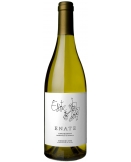
Age: Joven
Winery: Compañía de vinos Telmo Rodríguez
Tasting note for Dry White Wine Mountain:

Pale yellow color.

On the nose, floral and fruity notes, highlights the smell of citrus.

In the mouth, fruit and with a dry, soft touch at the end. It came with an expressive and very refreshing character.
Optimum service temperature: 6°-8° C.
A pairing: Rape con almejas, berberechos y setas.
Ingredients: 2 slices of large monkfish, 125 gr. of clams, 125 gr. of cockles, 6 mussels, 200 gr. of mixed mushrooms, 1 small onion, 1 clove of garlic, parsley if possible fresh, 1 tablespoon of flour, ¼ glass of white wine Mountain, 1 glass of water, extra virgin olive oil, salt and pepper.
Elaboration:
- Chop the onion and the garlic in small pieces and cooking over medium heat.
- Incorporate the flour and move slightly so that it thickens for a few seconds. Next, we pour the white wine and simmer for a couple of minutes until the alcohol evaporates. We incorporate a glass of water.
- Finely chop several branches of fresh parsley and add it to the sauce along with the mushrooms. Put a little salt to taste and cook over medium heat everything.
- On the other hand, add salt and pepper to the monkfish and seal it on the grill.
- We wash the clams, cockles and mussels and we incorporate everything to the sauce, the monkfish also. Cook everything for about 5 minutes over medium heat.
- Once the stew is finished, let it be well cooked, sprinkle with a little chopped parsley and serve hot.
An easy, quick and exquisite dish to accompany your 2014 White Mountain wine.
To enjoy!